
Before Betting Became an App: The Gambling Futures We Forgot
Interactive TV, virtual worlds, Facebook and Zynga all looked like betting's future, yet mobile and the bookmaker's own products won out.

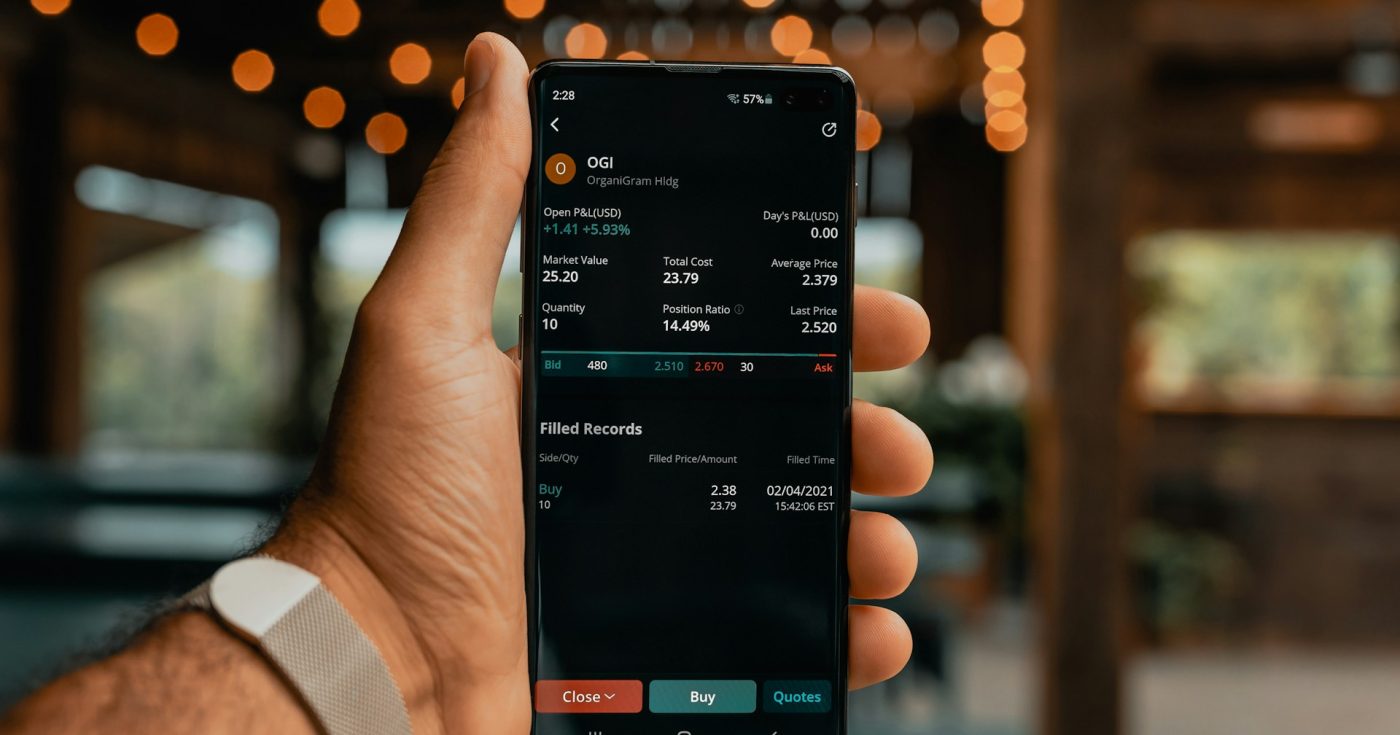
Betting through the television remote. Casinos in Second Life. Real-money gambling on Facebook. A social gaming giant trying to turn FarmVille players into casino customers. Before the smartphone settled the argument, the gambling industry had a lot of ideas about where people would bet.
In June 2000, a new betting company staged a funeral in London.
Betfair’s founders paraded a coffin through the City carrying the message “death of the bookmaker.” The company was launching an exchange where customers could bet against each other, choose their own odds and even bet on something not happening. Why keep a bookmaker in the middle?
It was more than a publicity stunt. Betfair genuinely changed sports betting and became one of the industry’s big success stories. Its own history still recalls the coffin campaign and the £30,000 traded during its first week.
The bookmaker, however, did not die.
That makes it a good place to start. Over the next 15 years, gambling companies tried betting through televisions, virtual worlds, social networks and social games. Quite often, the industry correctly spotted how gambling was changing and then guessed the wrong place where that change would happen.

We Were Going to Bet Through the Television
At the beginning of the 2000s, interactive television looked like a very plausible future for gambling.
People were already sitting in front of live sport. Digital TV allowed them to press buttons, open menus and interact with what they were watching. Putting a bet behind the red button seemed like an obvious next step.
The forecasts reflected that optimism. A 2002 eMarketer report cited Datamonitor forecasting that UK interactive-TV gambling revenue could reach $4.2 billion by 2006, up from around $255 million in 2001. ABN AMRO was more conservative, but still estimated a UK interactive-TV betting market of around £1.6 billion by 2005.
This wasn’t just consultants making forecasts. Betting companies and broadcasters were actually building the products.
The basic idea turned out to be right. People did want to bet while watching sport without going into a betting shop.
They just didn’t particularly need the television to process the bet.
By 2013, Paddy Power reported that 69% of its sportsbook customers had used mobile during the previous month. Mobile was already generating 56% of sportsbook stakes.
The phone ended up doing almost everything interactive television had promised, with one obvious advantage: you could take it away from the sofa.
Interactive-TV betting did not collapse spectacularly. Something more convenient simply overtook it.
Second Life Had Metaverse Casinos Before the Metaverse
Anyone following the metaverse boom around 2021 could easily have assumed that gambling inside virtual worlds was a new idea.
It wasn’t.
Second Life had virtual casinos nearly 15 years earlier.
Users could walk into gambling venues as avatars and wager Linden dollars, the platform’s virtual currency. Those dollars could also be converted back into real-world money, which created a fairly obvious regulatory problem.
By 2007, gambling inside Second Life had attracted scrutiny in the United States. Linden Lab first restricted casino advertising and then prohibited gambling involving games of chance and sports.
An OECD examination of internet intermediaries later described what had happened: users could convert money into Linden dollars, gamble at virtual casinos and sportsbooks, and convert winnings back again. The OECD noted that the activity exposed Linden Lab to potential liability under U.S. gambling and payment laws.
It feels surprisingly current.
Virtual land, avatars, digital currency, casinos inside persistent online worlds and regulators trying to decide which existing rules apply. Most of the ingredients of the later metaverse debate were already there.
And gambling in Second Life was not necessarily disappearing because nobody wanted it. The activity had become prominent enough for the platform to decide it did not want the legal exposure.
The larger virtual-world revolution never arrived either. Second Life survived, but it did not become the replacement for the internet that some early enthusiasts imagined.
Years later, Decentraland would run into a similar problem: people can be perfectly willing to gamble inside a virtual world without the virtual world itself becoming a mass-market platform.
Then Facebook Was Going to Become a Sportsbook
Betting inside Facebook sounded much less strange.
In the early 2010s, Facebook was becoming a platform for almost everything: games, messaging, news, brands and apps. Paddy Power decided to put real-money betting there too.
In 2013 it launched Paddy Power In-Play!, which it described as the first real-money sports betting product on Facebook. UK desktop customers could place bets without leaving the social network.
The idea had an obvious attraction. Facebook already had the audience, while Paddy Power already had the betting product.
But the company’s own numbers showed what was happening at the same time.
Mobile sportsbook turnover had reached €1.1 billion. More than half of sportsbook stakes were already coming through mobile.
Customers did not particularly need Facebook to become their bookmaker. They increasingly had Paddy Power on their phone.
By the following year, Paddy Power had decided to discontinue the Facebook betting product alongside several other smaller experiments. Its 2014 annual report put it fairly plainly: innovative ideas would not all work.
Social media remained extremely useful for advertising, content and customer acquisition. The actual bet largely stayed inside the operator’s own product.
Zynga Had 311 Million Players. Surely Some of Them Would Gamble?
The Zynga story may be the most interesting of the lot.
At its peak, Zynga had built one of the largest gaming audiences on the internet. FarmVille, CityVille, Words With Friends and Zynga Poker were everywhere.
When it announced a partnership with bwin.party in October 2012, Zynga said it had 311 million monthly active users. The companies planned to launch real-money poker and around 180 casino games in Britain.
The logic behind Zynga Poker was particularly tempting.
Millions of people were already sitting at virtual poker tables and playing with virtual chips. Converting even a small percentage into real-money players could have created a sizeable gambling business.
The partnership went beyond poker. The casino plans included slots, roulette and blackjack, and Zynga talked about taking real-money gaming into more regulated markets.
For a while, a U.S. move looked possible as well. Zynga applied for a preliminary finding of suitability in Nevada.
Then the strategy began to unwind.
In 2013, Zynga withdrew its Nevada application and shifted its attention back towards free-to-play games. Its UK real-money operation continued for a while longer before ZyngaPlusPoker and ZyngaPlusCasino closed in 2015.
Zynga’s own SEC filing removes much of the need to speculate about how the experiment performed. The company said its UK real-money gaming products “did not produce any material revenue.”
The interesting part is the audience.
Zynga had hundreds of millions of gamers, and many were already playing products that looked remarkably similar to gambling. Yet playing free poker with virtual chips was not necessarily the first step towards depositing money at an online poker room.
They could simply be two different activities.
It is an assumption gambling companies still have to be careful with. A large audience next to gambling is not automatically a large gambling audience.
America Was About to Legalise Online Poker Everywhere
Sometimes the prediction was less about technology and more about regulation.
In 2013, Nevada, Delaware and New Jersey had all moved to regulate online poker or broader online gambling.
After Black Friday in 2011 and years of uncertainty around internet poker, three states moving in relatively quick succession looked like the beginning of something much larger.
People openly talked about a domino effect.
When New Jersey moved, Poker Players Alliance executive director John Pappas called it a “very big domino to fall” and pointed towards further opportunities in states such as California and Pennsylvania.
At the end of that year, a PokerNews retrospective discussed a future in which online poker would be played across much of the country within a decade.
That did not happen.
The U.S. regulated online gambling market eventually expanded, but state by state and far more slowly than many expected. Online sports betting raced ahead after 2018, while poker remained comparatively restricted.
The technology was not really the obstacle. Geolocation worked. Operators existed. Customers existed.
What took much longer was politics.
Every state had its own existing gambling interests, tax questions, tribal relationships, casinos and legislators. A product can be ready years before the market around it is ready.
Even Betfair Eventually Needed a Bookmaker
This brings us back to Betfair.
The exchange genuinely gave customers something bookmakers could not. Bettors could set prices, lay outcomes and trade against each other.
But exchanges also have a practical limitation: they need enough customers on both sides of a market.
On a major football match or horse race, that can work extremely well. On less popular events or unusual markets, there may not be enough liquidity.
By 2012, Betfair had added conventional fixed-odds sports bets alongside its exchange. Its annual report at the time described the plan as creating a “one-stop-shop” and giving customers fewer reasons to spend part of their betting wallet elsewhere.
The company that had once carried a coffin announcing the death of the bookmaker had effectively become one as well.
That does not make the original exchange idea a failure. Betfair proved there was real demand for an alternative model.
Customers simply turned out to want both.
That is quite a common destination for gambling innovations. The new product survives, but instead of replacing the old one it ends up sitting next to it.
The Winner Was Already in Everyone’s Pocket
There is one detail from Paddy Power’s Facebook experiment that I particularly like.
The company’s 2013 annual report talks about testing the potential of its new Facebook sportsbook.
In the same section, Paddy Power reports something far less exotic: mobile sportsbook turnover had risen 42% to €1.1 billion, 69% of sportsbook customers had used mobile in the previous month, and those users were generating 56% of sportsbook stakes.
The future was already sitting in the report.
It just wasn’t the more interesting experiment.
The smartphone did not recreate a casino as a virtual building or try to turn Facebook friends into a betting community. It simply made existing gambling products easier to reach.
Today it feels obvious that mobile would win. It was less obvious when televisions, desktop websites, Facebook apps, virtual worlds and tablets were all competing to become the next interface.
The Old Predictions Were Not Really That Bad
Looking back, most of these predictions were not as bad as they initially sound.
Interactive-TV companies correctly saw that betting and live sport were going to become more closely connected. Betfair saw that the internet could give bettors more control over prices. Second Life showed that people would gamble inside virtual worlds long before the word metaverse became fashionable.
Zynga’s mistake was not thinking that gaming and gambling were moving closer together. It was assuming how easily one audience might move into the other.
The forecasts tended to get into trouble when they went one step further.
If people want to bet while watching television, perhaps the television becomes the bookmaker.
If millions play social poker, perhaps they become real-money poker players.
If people enjoy gambling inside a virtual world, perhaps that world becomes a major gambling platform.
If exchanges improve some parts of betting, perhaps they replace bookmakers.
The smartphone eventually won by asking much less of the customer. It did not require a new gambling habit or a new platform.
It just made something people were already doing considerably easier.
Twenty years later, that still seems useful to remember whenever the gambling industry starts talking about where everyone will be betting next.